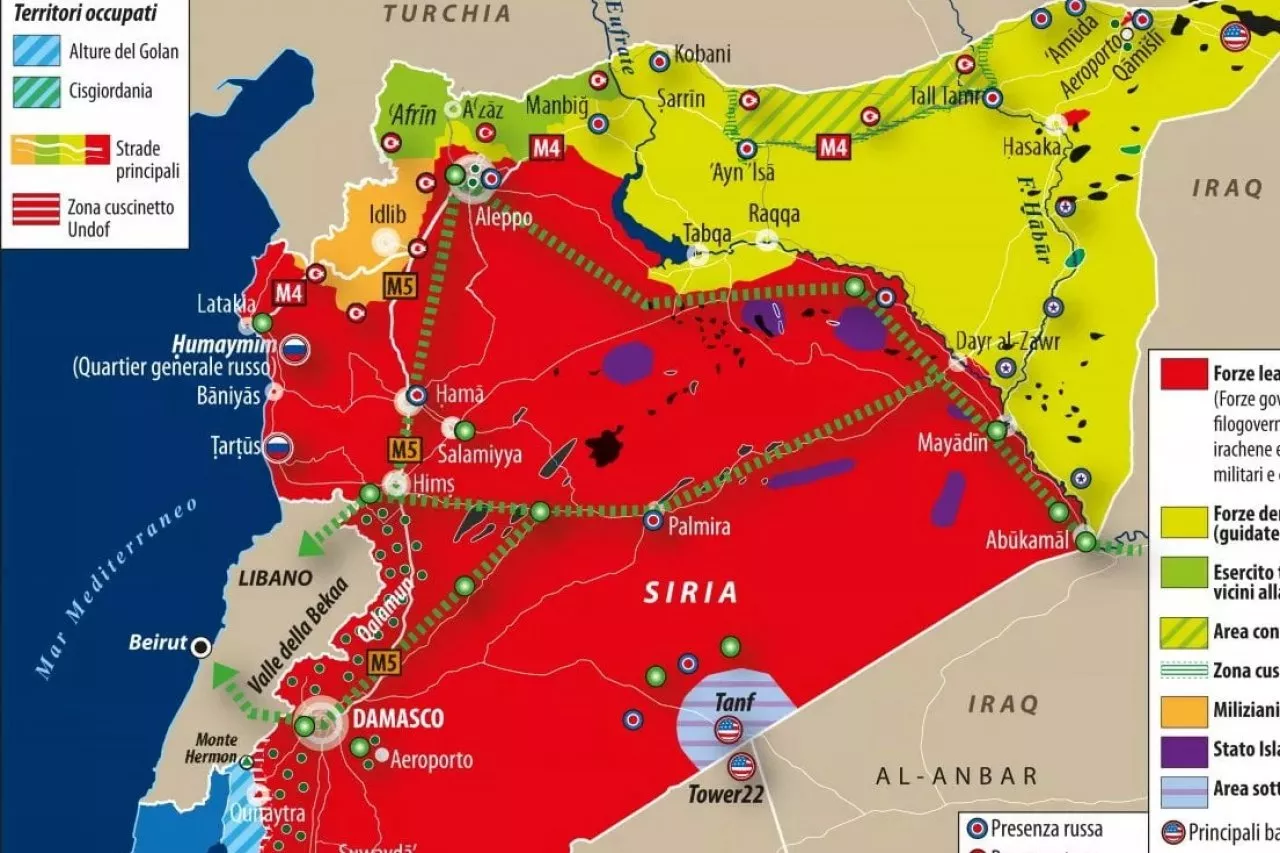
(di Lorenzo Trombetta) (ANSA) – ROMA, 06 DIC – Ci sono decenni in cui nulla accade e ci sono settimane in cui accade tutto: questa frase, attribuita a Lenin, deve essere risuonata molto spesso in questi ultimi convulsi giorni nella testa di Bashar al Assad, presidente della Siria da un quarto di secolo, ma che ora, sotto i colpi della sorprendente offensiva anti-governativa, appare solo, senza il sostegno né dell’Iran né della Russia, a fare i conti con la storia.
La sua storia comincia a metà degli anni ’60, come secondogenito dell’allora astro nascente della politica mediorientale: suo padre Hafez, esponente dell’emergente classe militare alawita – branca dello sciismo – prenderà il potere poco dopo, nel novembre del 1970, dando il via a una vera e propria epoca che in queste ore sembra però avviarsi ai titoli di coda.
Esattamente trent’anni fa, nel 1994, l’allora 28enne Bashar fu costretto, suo malgrado, a entrare in politica: la scomparsa improvvisa del fratello maggiore Bassel, morto in un oscuro incidente stradale, costrinse il padre Hafez a cambiare i piani di successione.
Assad jr dovette così abbandonare gli studi e la bella vita che conduceva a Londra per cominciare in patria la scalata ai vertici militari, precondizione per salire rapidamente i gradini del potere assoluto nella Siria dominata dal partito unico Baath.
Con la morte, nel giugno 2000, del ‘raìs eterno’ Hafez al Assad, era così già tutto pronto per l’ascesa al potere dell’appena 34enne Bashar: la costituzione, che prevedeva l’età minima di 40 anni per il capo di Stato, fu emendata in pochi minuti con un voto parlamentare scontato, per consentire ad Assad jr di giurare fedeltà alla stessa costituzione.
Foto apparsa a Damasco nei primi anni 2000: Bashar al-Asad con sua moglie Asma al-Akhras
Il neopresidente fu subito chiamato a una serie di sfide impegnative. Alle sempre più insistenti richieste di attivisti e oppositori di riforme politiche, Bashar rispose prima con timide aperture, poi con una dilagante campagna di arresti. Il ritiro israeliano dal sud del Libano (maggio 2000) e l’invasione anglo-americana dell’Iraq (2003) furono altri due banchi di prova per un raìs che volle giocare da protagonista senza avere però – secondo molti osservatori – il grado di esperienza politica del padre.
La rivolta dei curdi nel nord-est nel marzo del 2004 e la rottura con Francia e Stati Uniti sulla gestione del vicino Libano nell’autunno dello stesso anno spinsero Bashar sempre più nelle braccia dell’Iran. Il ritiro delle truppe siriane dal Libano nel 2005 e la successiva guerra tra Hezbollah e Israele nel 2006 approfondirono le trincee tra il fronte filo-occidentale e quello filo-iraniano, del quale il raìs di Damasco era ormai un perno imprescindibile.
Le proteste scoppiate in tutto il mondo arabo, dal Marocco all’Oman, tra il 2010 e il 2011 raggiunsero anche la Siria. Le forze governative non esitarono a rispondere con violenza, innescando la reazione armata delle comunità sempre più in rivolta.
Nel contesto di una devastante guerra civile ancora in corso, il sostegno decisivo dell’Iran, del suo alleato Hezbollah e della Russia, intervenuta militarmente in Siria nel 2015, è riuscito a puntellare il potere di Assad, colpito da sanzioni occidentali ed europee, ma che negli ultimi anni stava gradualmente uscendo dall’isolamento internazionale.
L’offensiva degli insorti filo-turchi scattata il 27 novembre, associata all’indebolimento senza precedenti di russi e iraniani in Siria, ha accelerato le lancette del tempo. Che appare ora improvvisamente scaduto per il raìs di Damasco. (ANSA).
L’ingresso il 5 dicembre 2024 di insorti filo-turchi a Hama, terza città siriana nel centro del Paese e luogo strategico tra la Mesopotamia e il Mediterraneo, risveglia in moltissimi siriani i mai sopiti incubi del sanguinoso massacro di civili compiuto nel febbraio del 1982 proprio ad Hama dall’allora presidente Hafez al Assad, padre dell’attuale raìs Bashar al-Assad. Quegli eventi segnano ancora oggi una delle pagine più nere della storia siriana contemporanea.
(di Lorenzo Trombetta) – ANSA – Il leader dei ribelli di Hay’at Tahrir al-Sham (Hts), Abu Muhammad al-Jolani, ha però affermato che non ci sarà “nessuna vendetta” per quel massacro. “Chiedo a Dio onnipotente che sia una conquista senza vendetta”, ha detto Jolani in un messaggio video, dopo aver annunciato che i combattenti sono entrati ad Hama “per ripulire la ferita che dura da 40 anni in Siria”.
L’esercito siriano e le forze paramilitari comandate da Rifaat al-Assad, fratello dell’allora presidente, assediarono la città per 27 giorni. L’operazione mirava a reprimere una rivolta di un’ala radicale della Fratellanza musulmana sunnita, che già dal 1979 si era macchiata di una serie di attentati contro forze governative ad Aleppo, Damasco e in varie regioni del Paese.
A febbraio del 1982 Hama venne sigillata: comunicazioni, elettricità e rifornimenti furono interrotti. Le prime stime parlavano di un migliaio di morti ma col passare dei giorni il bilancio salì tra i 10.000 e i 40.000, secondo diverse fonti.
Due terzi della città vennero distrutti. Gli attacchi indiscriminati colpirono principalmente civili.
Il massacro, definito da alcuni come “un genocidio”, rifletteva tensioni politiche e comunitarie tra la maggioranza della popolazione sunnita delle principali città del Paese (esclusa dalla gestione del potere) e la comunità alawita, branca dello sciismo identificata con gli Assad e alcuni clan alleati della famiglia salita al potere dal 1970.
Nel dicembre 2013, l’organizzazione Trial International, basata in Svizzera, aveva intentato una causa contro Rifaat al-Assad, per crimini di guerra. Rifaat al-Assad si era rifugiato in Europa a metà degli anni ’80 dopo aver tentato un golpe contro il fratello Hafez.
E nel corso degli anni aveva costruito un impero finanziario tra Francia, Gran Bretagna e Spagna. Lo scoppio delle proteste anti-governative in Siria nel 2011 e la conseguente guerra civile ancora in corso avevano dato alla giustizia internazionale l’opportunità di far luce sulle responsabilità di Rifaat al-Assad nel massacro di Hama. Le accuse mosse da Trial International includevano torture, esecuzioni sommarie e violenze di massa.
La Svizzera ha avviato un’indagine, culminata nel 2023 con l’ordine di estradizione e l’emissione di un mandato d’arresto internazionale contro Rifaat al-Assad. Lo zio dell’attuale raìs, già condannato in Francia per una serie di reati finanziari, nel 2021 ha trovato però rifugio a Damasco dopo anni di esilio.
[questo articolo è uscito nel servizio abbonati dell’ANSA il 5 dicembre 2024]
La guerra in Siria prosegue da più di 13 anni. Ha causato centinaia di migliaia di morti e più di 10 milioni tra profughi e sfollati. Di seguito una cronologia anno per anno delle fasi chiave del conflitto.
2011 – A febbraio scoppiano le proteste popolari nell’ambito delle cosiddette primavere arabe. La repressione governativa è dura e su ampia scala.
2012 – Le comunità anti-governative si armano e gradualmente trovano il sostegno di una serie di forze regionali e internazionali. Il Partito dei lavoratori curdi (Pkk) stabilisce una sua presenza nel nord-est. Il conflitto attrae una serie di attori statuali e non statuali, tra cui gli Hezbollah libanesi e numerose milizie straniere nei vari schieramenti. Si assiste alla radicalizzazione in chiave religiosa di tutte le componenti sociali.
2013 – Dopo gli attacchi chimici compiuti dal governo contro comunità di aree ribelli, gli Usa decidono di lasciare a Mosca l’iniziativa nel Paese. Gruppi ribelli e qaidisti locali aderiscono all’Organizzazione dello Stato islamico (Isis) che dall’Iraq risale l’Eufrate siriano trovando ampi vuoti di potere.
2014 – L’Isis si afferma in ampie zone dell’Iraq e della Siria. Gli Usa intervengono militarmente in Siria e in Iraq a capo di una coalizione globale contro gli uomini guidati dal ‘califfo’ Abu Bakr al-Baghdadi. Comincia la graduale ‘reconquista’ delle forze governative nella Siria centrale, a partire dall’assedio di Homs.
2015 – A ottobre la Russia interviene direttamente nel conflitto. Scoppia la crisi dei migranti siriani verso l’Europa via il corridoio turco-balcanico. Comincia l’assedio russo-iraniano di Aleppo est. Sanguinosa battaglia di Kobane tra l’Isis e il Pkk siriano.
2016 – Gli Usa sostengono il Pkk siriano. Prosegue la lotta internazionale all’Isis lungo la valle dell’Eufrate. Russi e governativi riprendono Aleppo est.
2017 – Dopo la caduta di Aleppo est, Mosca avvia il processo di Astana, in Kazakhstan, per la spartizione, di fatto, della Siria occidentale tra Russia, Iran e Turchia.
2018 – La ‘reconquista’ governativa e russa si espande alle regioni meridionali della Siria al confine con il Golan occupato da Israele e con la Giordania. Si intensifica la campagna anti-Isis da parte delle forze curde e statunitensi. Invasione turca dell’enclave curda di Afrin. Primi accordi turco-russi per il nord-ovest.
2019 – Con la battaglia di Baghuz gli Usa decretano la fine dello Stato islamico in Siria. Scatta l’offensiva militare turca contro il Pkk siriano a est dell’Eufrate.
2020 – Nuovo accordo russo-turco per la spartizione del nord-ovest tra Idlib e Aleppo. Il default economico libanese, la pandemia e le sanzioni occidentali contribuiscono al rapido collasso dell’economia siriana.
2023 – A febbraio si registra un devastante terremoto nel sud-ovest della Turchia e nel nord-ovest della Siria. Dall’autunno, gli eventi post-7 ottobre 2023 inaspriscono la guerra tra Iran e Israele sul territorio siriano.
2024 – L’Italia è il primo Paese del G7 a riportare a Damasco un ambasciatore residente nel Paese dal 2011. A novembre scatta l’offensiva filo-turca su Aleppo e le forze curde del nord-ovest. Si indebolisce l’Iran sullo sfondo della guerra con Israele. Incertezze sul futuro di Assad.
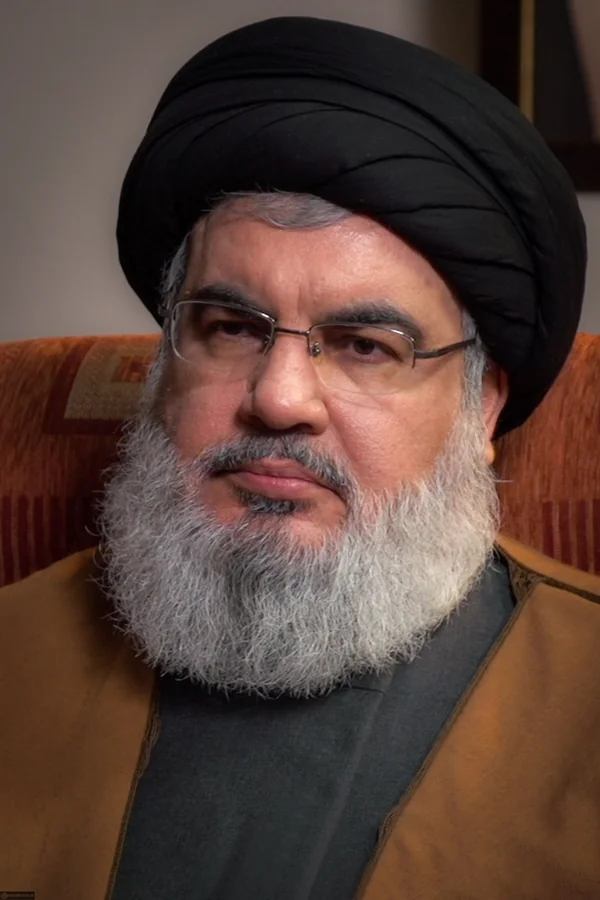
The cries from the women at the windows of southern Beirut’s suburbs echo for the killing of Sayyid Hasan Nasrallah by Israel. For over 30 years, Nasrallah led Hezbollah, a figure revered to the point of being seen by many as an ‘eternal’ presence.
“The Sayyid isn’t dead. He continues to resist with us against Israel,” says Bushra, a resident of Ghobeiri, a neighborhood ravaged by Israeli bombings on Beirut. Lebanon remains largely in shock, though there have been celebrations by some groups in Tripoli and northern suburbs of the capital, where people hailed Nasrallah’s death.
“I’ve long protested against Hezbollah and the entire Lebanese political class,” says Samir, a local civil society figure. “I’m not a supporter of the party, nor have I ever voted for it. But, like many Lebanese, I stand for resistance against Israel. The news of his death is devastating.”
While cries filled the air in the southern suburbs, a heavy silence fell over most of Beirut and other cities across the country. “All the shops are closed. There’s no one around,” says Ruba from Badaro, a neighborhood not far from Chiyah, a Shia district bombed by Israel in the afternoon. Amid the thundering sounds of Israeli airstrikes, many throughout the night and into the morning hoped the news of Nasrallah’s death—leader since 1992—would be disproved by a last-minute appearance on television.
“The world we knew is gone, it’s over. I was born and raised with the image of Nasrallah, who, despite Israel’s crimes, gave us strength and a sense of direction,” says Nada, who was only ten years old during the 2006 Hezbollah-Israel war.
Nabil, glued to his TV, watches Al-Manar, Hezbollah’s TV channel, which has been broadcasting live from the sites of the Israeli bombings on the party’s headquarters. Nabil recounts how Al-Manar eventually started broadcasting from an improvised studio, increasingly interrupting live coverage with archive footage. “Hezbollah took about 18 hours to publicly announce Nasrallah’s death,” Nabil points out, highlighting the “chaos that now reigns within the movement. We can feel this chaos, and it frightens us.”
In Beirut, whispers of a possible new “civil war,” a specter never fully erased since the conflict that devastated Lebanon from 1975 to 1990, are growing. The Lebanese army, primarily funded by the United States and never truly used to defend the country from Israeli attacks, was deployed in the morning to guard the U.S. embassy north of Beirut. By afternoon, troops were stationed in key areas of the capital, sites of past clashes between rival political and religious factions. Some observers suggest the armed forces may take on a greater role in “maintaining order and stability” in such a critical moment.
But all eyes remain fixed on Israel, Hezbollah, and Iran. “Before us are only grim scenarios,” says Samir. “Either a devastating regional war, an unconditional surrender of Hezbollah, or an agreement between Iran and the United States. In any case, we Lebanese will once again be treated as bargaining chips.” (ANSA).
Hasan Nasrallah, the Hezbollah leader reportedly killed by the IDF in yesterday’s bombing of Beirut, built his life and political career around one core mission: armed resistance to Israel’s presence in Lebanon and the region.
This mission eventually positioned him as the only Arab Shiite leader capable of standing on equal footing with Iran’s supreme leader, Ali Khamenei. Nasrallah’s unquestioned authority came primarily from his noble lineage within Shiism: he belonged to the sadat, the descendants of the Prophet Muhammad.
His black turban symbolized this direct link to the Prophet. As a sayyid (pl. sadat), his words and actions were considered inherently righteous, revered by followers and fighters alike.
Forced into secrecy for over two decades, Nasrallah was born in 1960 in a refugee camp on Beirut’s outskirts.
His father, a migrant from Lebanon’s impoverished south, ran a fruit stand in the Burj Hammud slums. The ninth of ten children, Nasrallah fled Beirut at 15 when Lebanon’s civil war broke out in 1975.
In Tyre, where his family took refuge, Nasrallah joined the newly formed Amal movement, the first political force advocating for the rights of Lebanon’s marginalized Shiite community.
In 1978, Israel launched its first invasion of Lebanon. Fully aware of his responsibilities, the young Nasrallah studied at key Shiite religious and political centers: first in Najaf, Iraq, then in Qom, Iran.
After being expelled from Saddam Hussein’s Iraq and briefly returning to Lebanon, Nasrallah was in Qom when Israel mounted its massive 1982 invasion of southern Lebanon, reaching Beirut.
Revolutionary Iran, led by Ruhollah Khomeini, welcomed Nasrallah and other emerging Lebanese Shiite leaders. Returning from Qom, Nasrallah assumed a key political role within Amal in the Bekaa Valley.
During this time, however, a faction of Amal—backed by Iran’s Revolutionary Guards—split off to form what would become Hezbollah, an Islamic resistance movement against Israel.
The turbulent 1980s culminated in Nasrallah’s rise to leadership in 1992 at the age of 32, following the Israeli assassination of his predecessor, Abbas al-Musawi.
Since then, Nasrallah’s political ascent has been marked by local and regional successes: Israel’s military withdrawal in 2000, Hezbollah’s defiance in the 2006 war, its dominance in Lebanon after the 2008 clashes, and its intervention in Syria from 2012 onwards, taking part in the killing of many Syrian civilians.
This trajectory reached a critical juncture on October 8, when Nasrallah publicly declared Hezbollah and the broader Axis of Resistance’s decision to support Hamas in Gaza. “The battle may be long, but we will prevail,” Nasrallah proclaimed in his last televised address on September 19.
If his death is confirmed, questions arise about who could possibly fill his shoes—not only as Hezbollah’s leader but also as the region’s sole figure capable of raising the ‘finger of resistance’ against Israel.
[update and revision of an article for ANSA written on the evening of September 27, 2024]
La parabola personale e politica di Hasan Nasrallah, il leader di Hezbollah che l’Idf rivendica aver ucciso nel bombardamento di ieri su Beirut, è stata quasi sin dall’inizio della sua movimentata esistenza segnata dalla necessità di resistere con le armi alla presenza violenta di Israele in Libano e nella regione: tanto da farlo diventare, col passare del tempo, l’unica figura apicale dello sciismo arabo a potersi confrontare alla pari con Ali Khamenei, l’incontrastato leader iraniano.
L’indiscussa autorità di Nasrallah è derivata, prima di tutto, dalla sua appartenenza di sangue alla casta nobile dello sciismo: i sadat, i discendenti del profeta. Il suo turbante nero è infatti quello delle famiglie che si dicono legate direttamente a Maometto. In quanto sayyid (pl. sadat), le sue parole e azioni sono per definizione corrette, tenute in altissima considerazione da parte di seguaci e combattenti.
Costretto da almeno vent’anni alla più totale clandestinità, Hasan Nasrallah nasce nel 1960 in un campo profughi alla periferia di Beirut. Suo padre, emigrato dal poverissimo sud del Libano, aveva un banco di frutta nella favela di Burj Hammud. Nono di dieci figli, Nasrallah è costretto all’età di 15 anni a lasciare Beirut per lo scoppio della guerra civile libanese (1975-90).
Nel porto meridionale di Tiro, dove la famiglia si era rifugiata, aderisce al neonato movimento Amal, prima entità politica intenzionata a promuovere i diritti della emarginata comunità sciita libanese.
Nel 1978 Israele comincia la prima invasione del Libano. Consapevole della responsabilità, il giovane Nasrallah frequenta i più importanti centri dello sciismo religioso e politico regionale: prima a Najaf, città santa in Iraq, e poi a Qom, altra città santa sciita in Iran.
Dopo esser stato espulso dall’Iraq di Saddam Hussein e una breve parentesi in Libano, Nasrallah si trova a Qom quando Israele invade massicciamente il sud del Libano nel 1982, raggiungendo Beirut.
L’Iran rivoluzionario di Ruhollah Khomeini accoglie Nasrallah e altri futuri leader sciiti libanesi. Tornato da Qom, Nasrallah riceve un incarico politico di rilievo, come esponente della sezione di Amal nella valle della Bekaa.
Ma sono gli anni in cui una costola del movimento si stacca per formare, col decisivo sostegno dei pasdaran iraniani, quello che poi diventerà il Partito di Dio, Hezbollah, votato a una resistenza islamica contro Israele.
I turbolenti anni ’80 giungono al termine quando Nasrallah, rientrato da un nuovo viaggio in Iran, appena 32enne si trova ad assumere nel 1992 l’incarico di guidare Hezbollah. E di raccogliere la pesante autorità del suo predecessore, Abbas al Musawi, ucciso da Israele in quello stesso anno.
Da allora la parabola politica è ascendente e costellata di successi locali e regionali: il ritiro militare israeliano del 2000, la vittoria politica con la guerra del 2006, il dominio imposto in Libano dopo gli scontri del 2008, l’intervento in Siria dal 2012.
Fino all’8 ottobre scorso, quando Nasrallah in persona annuncia la decisione di Hezbollah e di tutto l’Asse della Resistenza di appoggiare Hamas a Gaza. “La battaglia potrà durare ancora a lungo, ma vinceremo”, aveva detto Nasrallah alla fine del suo ultimo discorso televisivo, il 19 settembre scorso.
Se la sua morte dovesse essere confermata ci si interroga su chi potrà prendere il suo posto, non soltanto come leader di Hezbollah, ma come unico leader della regione capace di tenere alzato il dito della resistenza contro Israele.
[aggiornamento e rielaborazione di un articolo scritto per l’Ansa la sera del 27 settembre 2024]
(ANSA) – SEP 4 2024 – United by the fear of being sidelined in the shifting sands of Middle Eastern realpolitik, the Kurdish-Syrian leaders in the northeast and their fierce rivals from the Islamist opposition in the northwest are hoping to delay, for as long as possible, the dreaded normalisation of relations between Turkey’s President Recep Tayyip Erdogan and Syria’s Bashar al-Assad.
But two recent developments suggest Ankara may be sending a clear signal to both its Islamist allies in Idlib and its Kurdish adversaries in Qamishli. The resumption of Turkish-Russian military patrols in northeastern Syria—just a stone’s throw from Kurdish positions—after a year-long hiatus, and Turkey’s new requirement that Syrians wishing to return from Turkey must hold Syrian passports issued by Damascus, point in that direction.
In Syria, a country crippled by Western sanctions and over 13 years of war, Assad, propped up by Russia and Iran, said in late August that talks with Erdogan need not wait for Turkey’s troops to withdraw from Idlib. This shift was followed by Russian Foreign Minister Sergei Lavrov’s optimistic remarks about an imminent meeting among officials from Turkey, Syria, Russia, and Iran aimed at fast-tracking the normalisation process between Ankara and Damascus.
The two countries, once bound by cordial ties, became sworn enemies in 2011. As Assad cracked down on anti-government protests, Erdogan threw his weight behind the opposition, facilitating its militarisation and the rise of Islamist radicalism.
Turkey, a NATO member, later intervened directly in the conflict, expanding its influence in the northwest and, in 2019, seizing territory in the northeast in an effort to curb the influence of the Kurdistan Workers’ Party (PKK). The PKK inspires the Kurdish-Syrian forces, who have been backed by the US in the fight against ISIS.
Lavrov recently appealed to Kurdish-Syrian authorities to abandon their alliance with Washington. He warned them of betrayal, likening their situation to the US withdrawal from Afghanistan in 2021.
A potential thaw between Ankara and Damascus, brokered by Moscow, could serve all three parties well. Turkey, under pressure at home due to the presence of over 3.5 million Syrian refugees and intent on pursuing its anti-PKK agenda, could achieve two goals with one move: facilitate the massive return of Syrians to northwest Syria and, together with Damascus, tighten the noose around the Kurdish-Syrian semi-autonomous region.
For Russia, it would solidify its role as a key player in shaping the region’s future and force the US—which maintains around 900 troops in northeastern and eastern Syria—to reconsider its military presence, a withdrawal long called for by former president Donald Trump.
Assad, meanwhile, stands to regain —at least on paper— control of strategic, resource-rich territories and position himself as a stabilising player both at home and abroad. This comes amid tentative diplomatic overtures from some EU countries, including Italy, towards his government. (ANSA)
(di Lorenzo Trombetta) (ANSA) – ROMA, 04 SET – Uniti dal timore di esser sacrificati sull’altare della realpolitik mediorientale i leader curdo-siriani del nord-est e i loro acerrimi rivali delle opposizioni islamiste del nord-ovest sperano che sia rimandata il più possibile la tanto paventata normalizzazione dei rapporti tra il governo turco di Tayyip Recep Erdogan e quello siriano di Bashar al Assad.
Ma la ripresa, dopo un anno, dei pattugliamenti militari turco-russi nella Siria nord-orientale a due passi dalle postazioni curde e l’imposizione turca ai siriani che vogliono rientrare in Siria dalla Turchia di poterlo fare solo col passaporto siriano emesso da Damasco sono due fatti molto recenti che sembrano confermare l’intenzione di Ankara di avvertire gli alleati islamisti di Idlib e i rivali curdi di Qamishli.
Nella Siria martoriata dalle sanzioni occidentali e da più di 13 anni di guerra, Assad, sostenuto da Russia e Iran, a fine agosto aveva detto che per trattare con Erdogan non è necessario attendere il ritiro militare turco da Idlib. Un’apertura non indifferente, a cui era seguito l’ottimismo del ministro degli esteri russo, Serghiei Lavrov, circa un imminente incontro tra rappresentanti dei tre paesi e dell’Iran per accelerare il processo di normalizzazione tra Turchia e Siria.
A lungo uniti da relazioni cordiali, i due paesi erano diventati di fatto nemici nel 2011. Di fronte alla repressione governativa delle proteste anti-Assad, Erdogan aveva preso netta posizione a favore delle opposizioni, sostenendo la successiva militarizzazione e la radicalizzazione islamica dell’insurrezione.
La Turchia, membro della Nato, era poi intervenuta direttamente nel conflitto, espandendo la sua influenza nel nord-ovest e, nel 2019, occupando territori nel nord-est, in funzione anti-Pkk, il partito dei lavoratori curdi a cui si ispirano le forze curdo-siriane sostenute invece dagli Stati Uniti in nome della lotta all’Isis.
Proprio alle autorità curdo-siriane Lavrov si era rivolto nei giorni scorsi invitandole ad abbandonare l’alleanza con Washington e a seguire invece l’abbraccio di Mosca: finirete traditi come gli afgani, aveva detto Lavrov, citato dai media siriani, ai dirigenti curdi in riferimento al controverso ritiro militare Usa dall’Afghanistan nel 2021.
Il possibile disgelo tra Ankara e Damasco, mediato da Mosca, favorirebbe tutti e tre gli attori. Il governo turco, sotto pressione in patria per la presenza di tre milioni e mezzo di profughi siriani e che persegue una politica esplicitamente anti-Pkk, potrebbe affermare di ottenere due risultati con un’unica mossa: facilitare il rimpatrio di centinaia di migliaia di siriani nel nord-ovest della Siria, e stringere nella morsa, assieme a Damasco, la regione curdo-siriana.
La Russia rafforzerebbe il proprio ruolo chiave nel definire gli equilibri mediorientali e costringerebbe gli Stati Uniti, presenti con 900 soldati nel nord-est e nell’est della Siria, a pensare seriamente al ritiro delle truppe già più volte evocato dall’ex presidente e candidato presidenziale americano Donald Trump.
Assad, dal canto suo, potrebbe gradualmente riprendere, almeno sulla carta, il controllo di territori strategici e ricchi di risorse energetiche. E accreditarsi in patria e all’estero come un attore di stabilità. Anche alla luce delle aperture diplomatiche al suo governo avviate da parte di paesi dell’Unione Europea, tra cui l’Italia. (ANSA).
(This is a translation into English of my commentary for the Italian newspaper Domani, published on August 27, 2024)
Credit: Lorenzo Trombetta, 2024
BEIRUT – AUG 27 – The latest exchange of fire between Israel and Hezbollah, which occurred in the early hours of last Sunday, and the subsequent statements by Israeli Prime Minister Benjamin Netanyahu and the leader of the Lebanese Shiite movement Hezbollah, Hasan Nasrallah, an ally of Iran and Hamas, have confirmed the validity of the power equation that has underpinned Middle Eastern balances for decades, not just since October 7.
In other words: waging war for declared purposes of “security” or “resistance,” prolonging it over time without escalating it into a full-scale conflict, and constantly evoking the specter of a decisive and existential final battle to annihilate the enemy. With this formula, as ancient as it is current and proven, Netanyahu’s government, Iran, and its regional allies—primarily Hezbollah and Hamas—have been trying for nearly a year to maintain a dominant position in their respective political contexts.
From the perspective of these elites, who only appear to be rivals and different from each other but are all reactionary and rely on popular support fueled by the permanent external threat, the post-October 7 Middle Eastern scenario has been, and continues to be, a life-saving elixir for political and institutional longevity.
For those who represent these powers, the dystopian scenario of a devastating regional war that would involve the entire Eastern Mediterranean, Mesopotamia, and the Red Sea, bringing destruction and death to civilians in the main cities of the Middle East—including Tel Aviv, Jerusalem, and Beirut—must be incessantly represented in public discourse but avoided at all costs.
Because an armed conflict of this kind would not only bring desolation to civilian populations; it would also have a potentially destabilizing impact on the very power structures in Iran, Israel, and Lebanon, with profound repercussions throughout the area.
The so-called security and stability of the Middle East, a formula present for decades in almost all statements from Western and regional chancelleries, is, first and foremost, the security and stability of these dominant, exclusive, and repressive political systems.
It is the status quo based on the tacitly consensual division of territories and resources in an area historically at the center of global interests, extending from the Levant to the Indian Ocean, from the Strait of Hormuz to the Suez Canal, passing through the Bab al-Mandab strait between Yemen and the Horn of Africa.
The total Middle Eastern war, so eagerly anticipated throughout August by the media around the world, in the now established collective imagination, must be truly explosive and widespread to make people forget the bland and disappointing prelude of last spring: when, for the first time in history, Iran launched ballistic missiles and drones against Israel, causing only one casualty, the young Amina, a 7-year-old girl from the Bedouin Palestinian community of the Negev.
Yet, the media hysteria of that mid-April night concealed a craving among many observers and ordinary people: to finally witness the end of a world that many dislike but serves only a few—namely, that Middle Eastern elite oligarchy (including Netanyahu) that, on the one hand, fuels a public discourse steeped in nationalist, ethnic, and sectarian identity politics; and, on the other, manages the complex system of resource extraction and exclusive distribution of privileges (not rights) to their respective subjects (not citizens).
The narrative hysteria of April has returned to dominate the media, political, and diplomatic discourse in recent weeks: soon forgotten the spiral of tension in April, political rhetoric has resumed generating images of a full-scale conflict, leading to a series of concrete actions on the ground: pushing, for example, airlines to cancel flights to Beirut and triggering a sequence of alerts issued by embassies, urging their nationals to leave Lebanon quickly.
The message was the same as in April. But in the general oblivion, for many, there was the news: the war—the definitive and sensational one, like in the most clichéd disaster movies—was at the gates. Now, after the last significant exchange of fire between Hezbollah and Israel, the sequence first skyrocketed, spiraling upwards, with sensational headlines and feverish expectations. And then it collapsed into the current boring apparent normality, made of a conflict still bloody and violent (about 150 civilians killed in Lebanon, about 30 in Israel, more than 100,000 displaced in Lebanon, about 90,000 in Israel), awaiting the next more exciting escalation.
Thus, while various public opinions are more or less consciously dragged along the rollercoaster of alarmism, the power structures remain dominant: not only do they buy time—a precious resource in politics and negotiations—but they also ensure a relative stability in popular support. In some cases, they manage to strengthen their positions. If the end of the world is just around the corner, the individual and collective horizon disappears. Only the here and now exists. The need to get through the day. With the eternal fear of the enemy’s bombardment.
It was not like this before last October 7, when, for reasons related to different local contexts, the ruling system in Iran, Hamas in Gaza, Hezbollah in Lebanon, and Netanyahu in Israel had to contend with declines in support and genuine political crises, triggered by more or less extensive and prolonged popular protests.
And this in the context of a broader challenge to the status quo by segments of Middle Eastern societies: from 2005 to 2023, from Beirut to Tehran, passing through Tel Aviv, Cairo, Jerusalem, Tunis, Gaza, Baghdad, Sana’a, Damascus, Aleppo, Mosul, Manama, Muscat, Aden, Tripoli, Rabat, the squares have mobilized to demand socio-economic and political rights. The elites have responded, as they always do in these cases: repression, a strategy of tension, but also, and above all, updating that reactionary narrative matrix called upon to offer a sense and perspective: we are at war against an enemy who wants to annihilate us; it is a state of exception that leaves no room, for now, for revising the social contract.
Last Sunday, Netanyahu said that the “preventive attack” on Hezbollah shortly before dawn “is not the end of the story.” Nasrallah, for his part, said that the attack on Israel is “only the first phase of the response” to the Israeli raid on July 31 in Beirut. Two shamans called upon to utter the magical formula of power: the war continues, we are here to defend you.
So, with the summer drawing to a close, professional dystopists are already gathering scattered content to give substance to the increasingly insistent predictions that the long-awaited open Middle Eastern conflict will occur between October and November, just before the American presidential elections. The horizon expands, at least in appearance, but only to the benefit of those in power and who intend to stay there.
The Israeli raid on Iranian targets in the heart of Syria is part of ongoing regional negotiations. Washington is negotiating with Tehran, Assad is speaking with U.S. envoys in Oman, and for the first time, Hezbollah representatives are visiting the Emirates, which remain allies of the Jewish State.
The sensational attack last April 1st on an Iranian consular office in Damascus – attributed to Israel and in which, among others, a high-ranking member of the Quds Force of the Revolutionary Guards was killed – occurs during a phase of the Middle Eastern conflict marked by intense negotiation activity among the parties.
Continue reading my analysis published on Limesonline